Gemma
Wang
Scroll
Welcome to my corner of the internet!
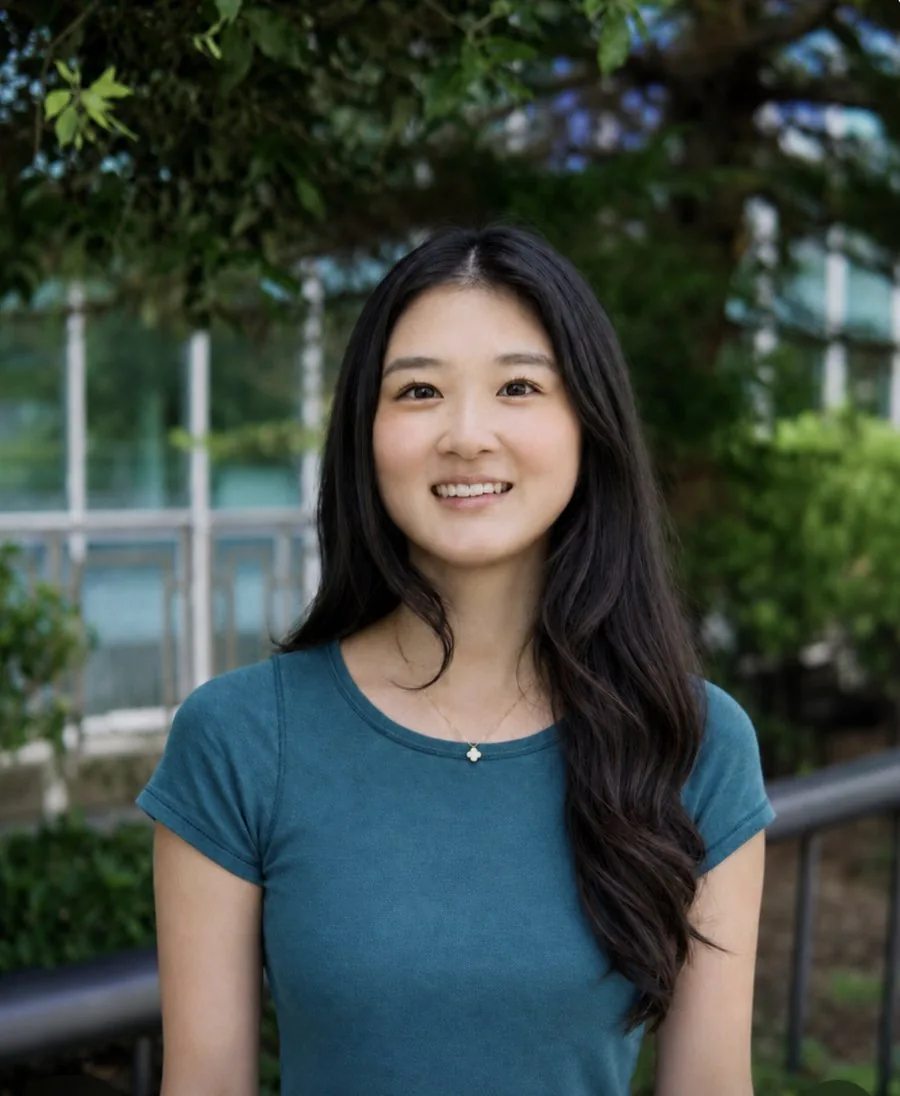
I'm Gemma, and I've spent most of high school chasing one question: how do healthcare decisions actually get made, and who do they reach? That curiosity — about how systems work, from single neurons to national policy — has pulled me into research, nonprofits, legislation, and startup work.
I founded The Melody Project, a global 501(c)(3) nonprofit connecting high school students with hundreds of older adults through structured music programs across 3+ continents. What began as a volunteer idea has grown into recognition from universities and partnerships with national and international leaders in aging and youth, research published by Oxford University Press in Innovation in Aging, and conducting RNA-seq and aging biology research.
But as much as I'm passionate about promoting healthy aging, I also know what it feels like to be the youngest person in the room. I've been selected to present at conferences and webinars attended by thousands of researchers from top universities, policymakers, and practitioners as the youngest member of the Gerontological Society of America (where I'm also an Interest Group Leader!); built custom EEG pipelines at NYU Langone's Neuroscience Institute to identify and analyze sleep-related phenomena; created machine learning models for Medicare spending; and interned at an Accel-backed AI startup on a team of fewer than ten, working across outbounding, SEO, and account management.
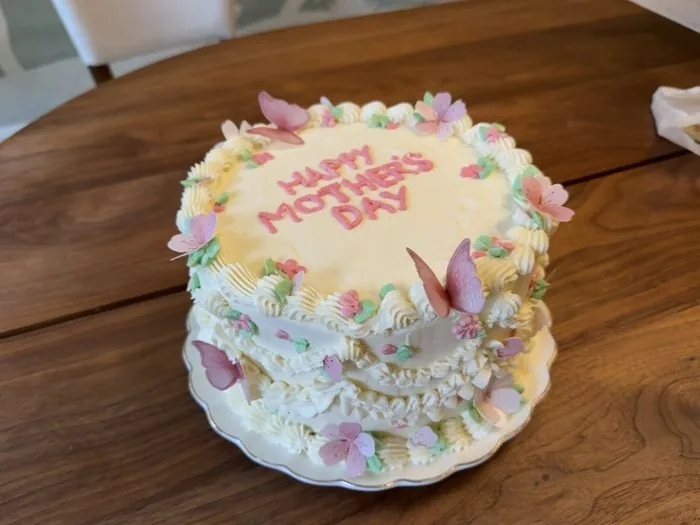
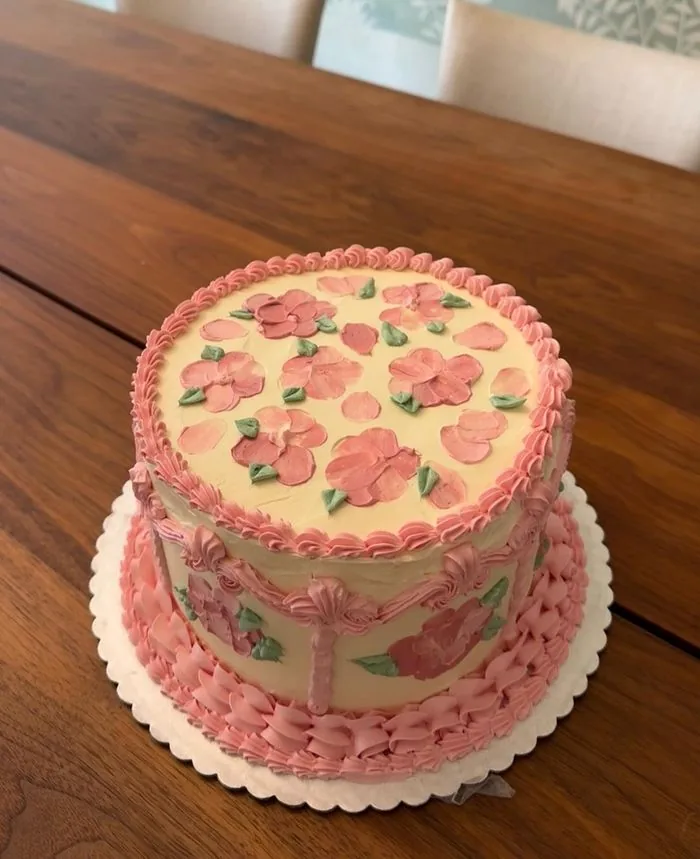
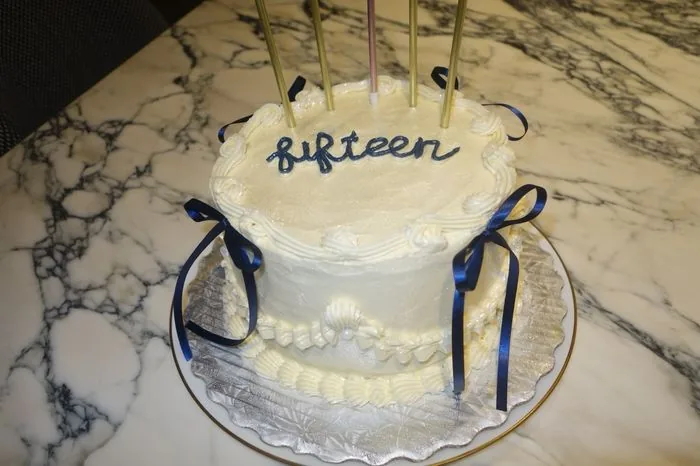
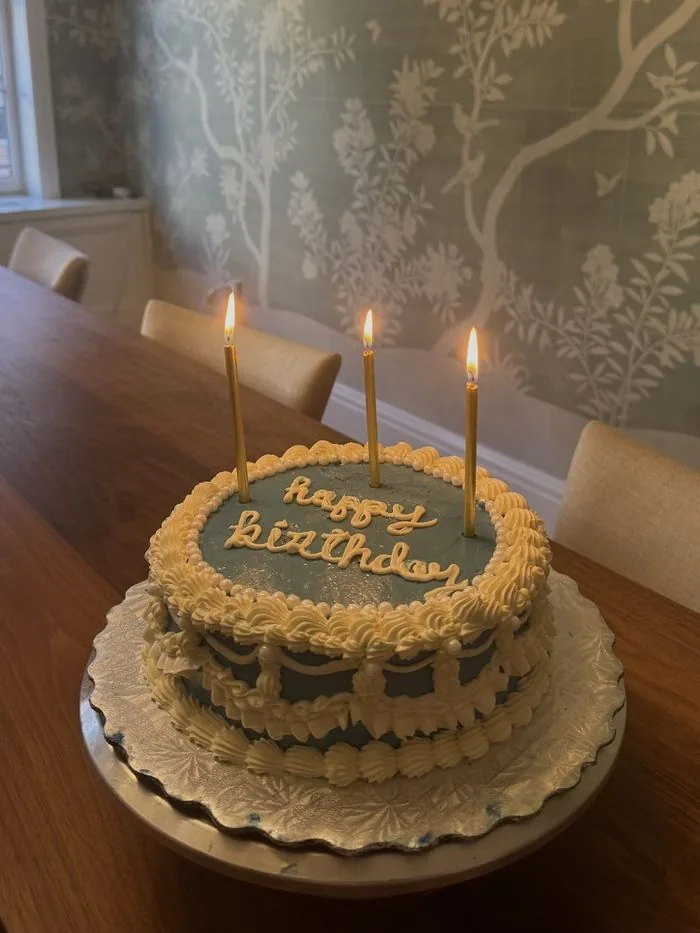
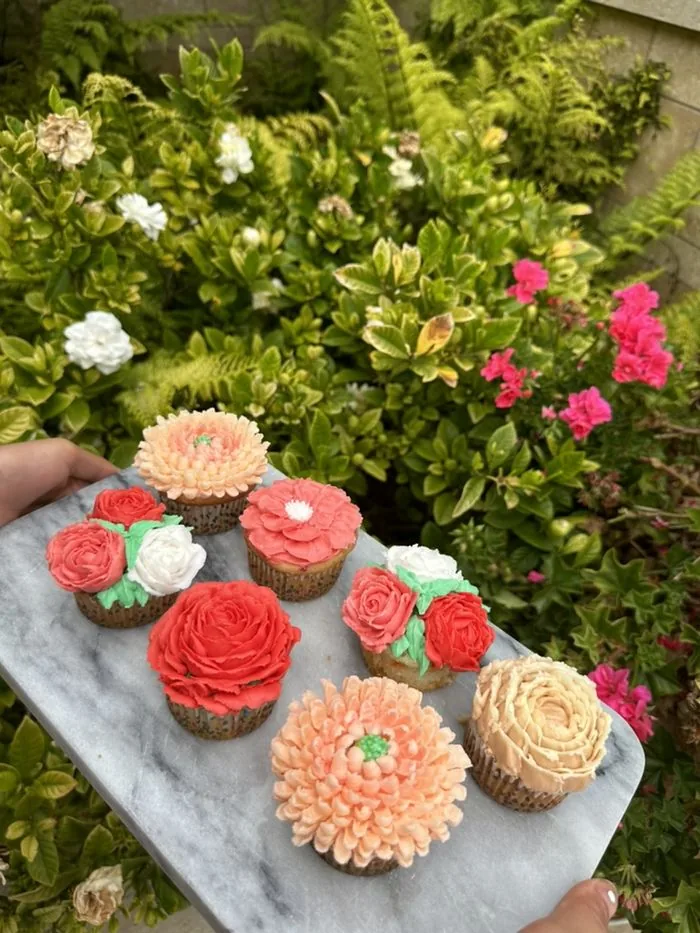
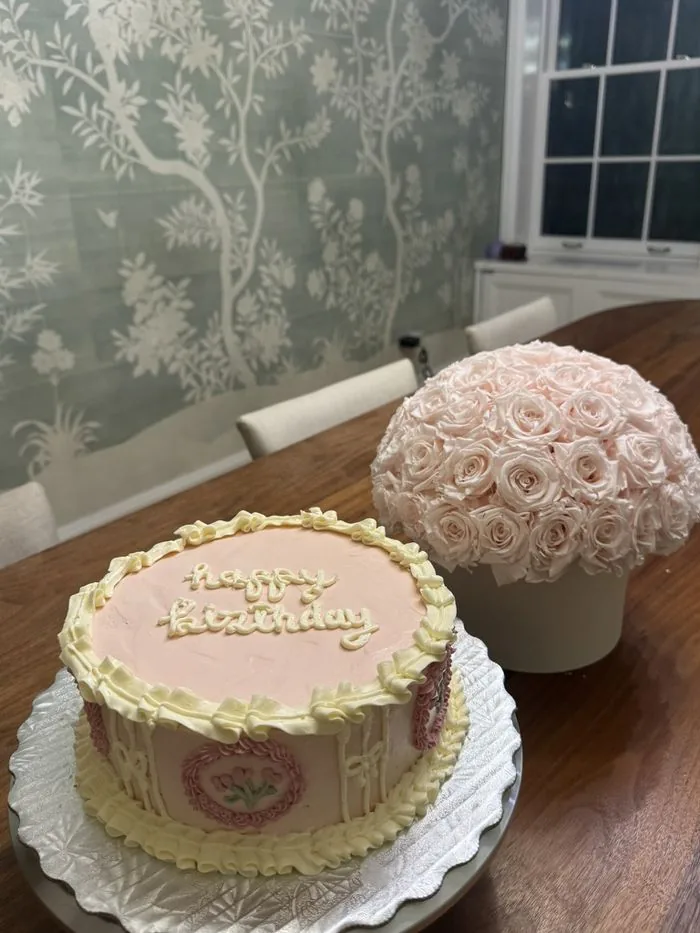
Outside the lab, I've played classical piano for 10+ years, including at Carnegie Hall; qualified for the Gold level of the Presidential Volunteer Service Award; am a 4× Summa Cum Laude National Latin Exam awardee; and am a certified buttercream cake decorator through NY Cake Academy. I'm also a lifelong Jane Austen devotee, though I suspect the purists would revoke my membership for maintaining that the 2005 Pride and Prejudice is the superior adaptation.
This blog is where I write about the things I'm learning — research, policy, aging, technology, and whatever interesting rabbit hole I've fallen into that week. I hope you'll leave having learned something new... or at least convinced that Persuasion is the most underrated novel in the canon.
AI can make care faster and more accurate — but whether it makes care more equitable depends on how these systems are built, tested, and distributed.
Read the essay →
A New York Times story about Will Mair's disrupted aging lab — and the fragile systems that long-term scientific progress quietly depends on.
Read →New research links caffeinated coffee to a modest reduction in dementia risk — a promising association, not a cure, and a useful lesson in reading the evidence.
Read →A week in federal health policy — telehealth, Hospital at Home, TrumpRx, and what a $1.2 trillion package means for how aging care actually gets delivered.
Read →The FY2026 budget quietly protected — and grew — federal investment in aging and brain-health research. A look at what survived, and why it matters.
Read →A lesser-known condition called LATE may account for 15–20% of dementia cases — and mistaking it for Alzheimer's has real consequences for diagnosis, research, and care.
Read →Emerging evidence ties air pollution to dementia and brain aging — and unlike age or genetics, it's a risk factor policy can actually change.
Read →I became interested in policy because I kept seeing how much gets lost between a research finding and a real-world decision.
In the lab, I could spend weeks building an EEG pipeline, analyzing RNA-seq data, or developing peer-reviewed evaluation frameworks alongside postdocs, but even strong evidence doesn't automatically change which programs get funded, what care people can access, or what institutions prioritize. Through my nonprofit and advocacy work, I saw the problem from the other direction: policymakers are often asked to make decisions about aging, loneliness, and health without close access to either the research or the people those decisions affect.
My own work has placed me on both sides of that divide, and I've learned that the most durable systems-level change happens when research, firsthand experience, and advocacy inform one another. Policy interests me because it's where evidence can become funding, access, and programs that people actually experience.
I think that divide is best epitomized by a line from the cancer epidemiologist Michael Shimkin, which I found in Siddhartha Mukherjee's The Emperor of All Maladies (which I highly recommend). Explaining why so few research scientists occupy policy-making positions of public trust, he concluded:
"Their training for detail produces tunnel vision, and men of broader perspective are required for useful application of scientific progress."
Michael Shimkin
I don't fully agree with the harshness of that claim, or with the idea that scientific rigor and broad perspective are opposites, but it names a real risk. I'm pursuing policy because it's where evidence becomes access, and I'm keeping a foot in the lab because I'd rather not prove Shimkin right.
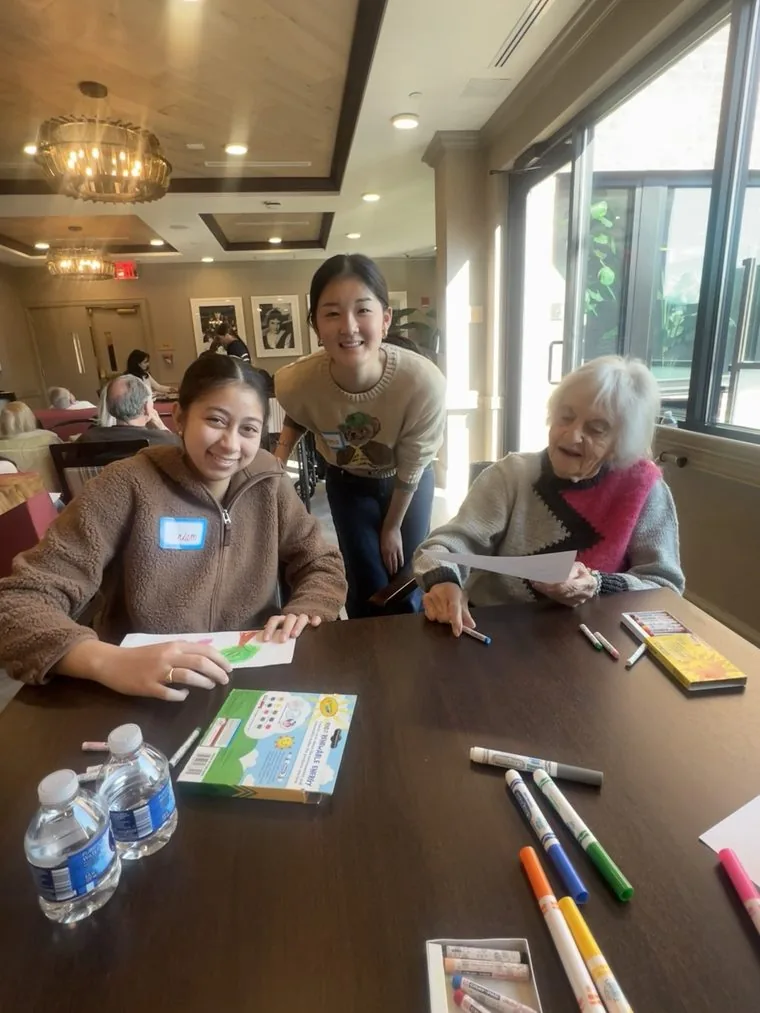
A global nonprofit using structured music programs to connect high school students with older adults — reaching 600+ older adults and students across 3+ continents, with published research behind why it works.
Visit site →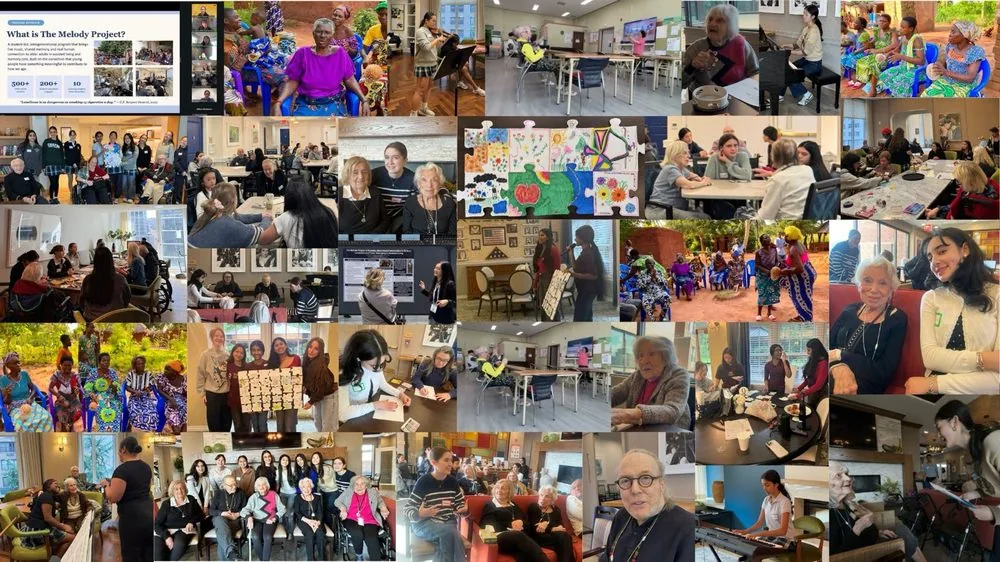
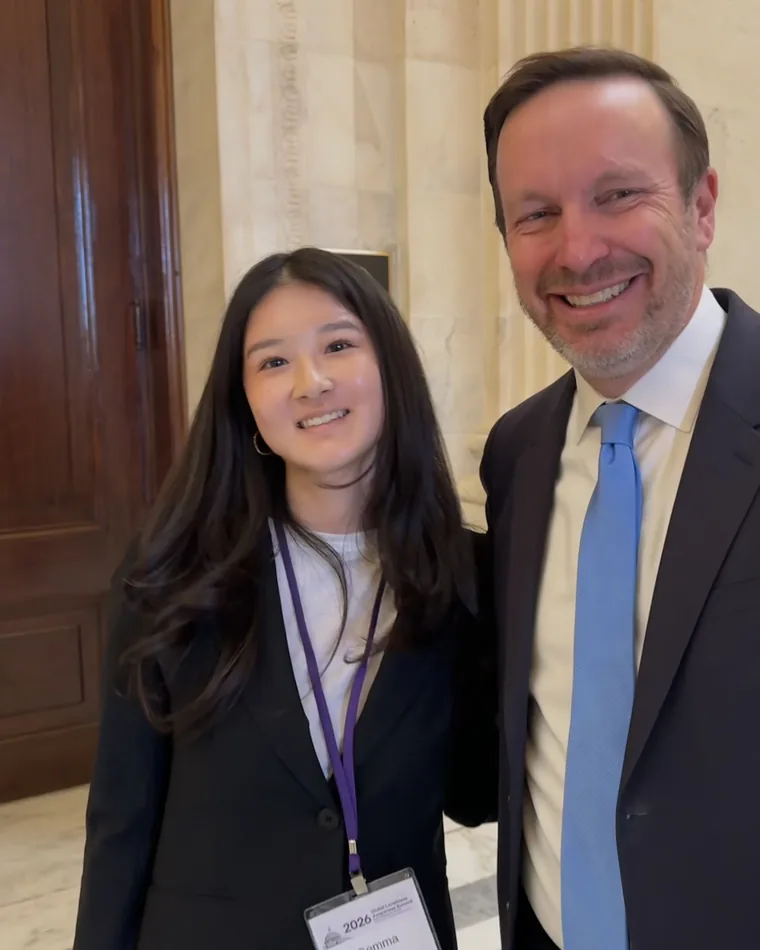
Embedding loneliness screening and social connection programs into federal reimbursement systems and aging initiatives, with feedback on my final drafts from faculty at the Yale School of Public Health and NYU Grossman School of Medicine.
Learn more →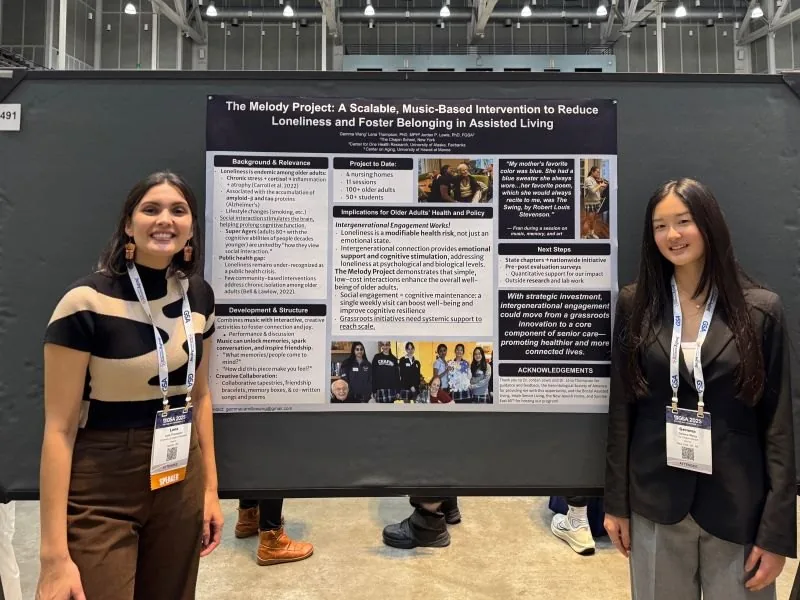
First-authored, peer-reviewed publication on The Melody Project's music-based intervention outcomes, presented at the Gerontological Society of America Annual Scientific Meeting.
Read the paper →First author, peer-reviewed journal from Oxford University Press. Presented at the GSA Annual Scientific Meeting in Boston.
Performed at Weill Recital Hall, Carnegie Hall. Ten-plus years of classical piano behind it.
Gold Award every year since 7th grade.
Legislative proposal on loneliness screening and Medicare social prescribing. Under 9% acceptance.
Recognized in the Critical Essay category.
100+ volunteer hours logged through community and nonprofit work.