You’ve heard it all. “AI is going to take over the world.” “AI is making people dumber.” “AI is going to steal jobs from people that need them.”
Yes, Artificial Intelligence (AI) is certainly an incredibly powerful tool that has amazing potential. And yes, that potential can be scary and even threatening to humans.
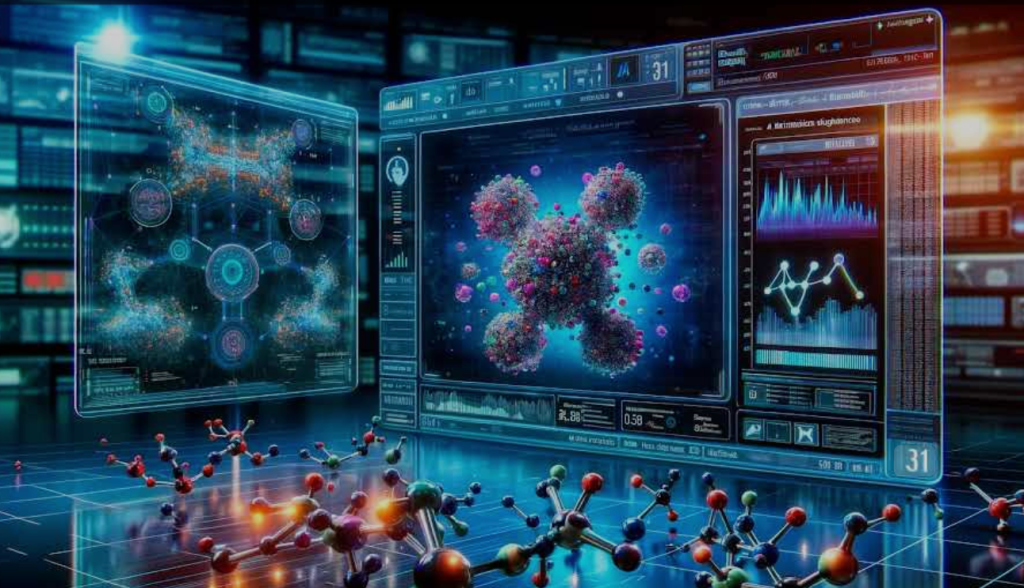
But AI is also one of the greatest achievements of mankind. We’ve not only developed computer programming with the capacity to do just about any thought-provoking task there is—write with the style of a literary scholar, synthesize data, or solve a ten-page equation in less than a second—but also implemented this software on hundreds of thousands of devices worldwide.
So why don’t we do more with it? Why don’t we take this stunning creation to the next level—allow it to do more than just provide Google AI answers or make practice tests?
AI has remarkable potential to improve healthcare—in the United States and globally. AI diagnosis has been used to pinpoint retina disease in diabetics and AI adoption in smartphone ultrasound imaging has benefited middle- and low-income countries.
AI has developed Rentosertib, a drug for pulmonary fibrosis that has been approved for clinical trials, by designing thousands of model molecules targeting affected populations and sifting through data sets. AI algorithms can also identify trends to predict the effectiveness of drugs for patient populations, tailoring new and existing drugs to better suit the needs of their recipients.
And the use of AI doesn’t have to be limited to the cure for cancer or the like. AI apps that interact with individuals with cognitive impairment or susceptibility for dementia could allow patients to seek the help they need. AI daily check-ins with people who are at high-risk for various chronic diseases could help assists early prevention.
Using AI, humans have the whole world—literally—in their hands. Why don’t we take a chance on it?


 Brains for Change
Leave a comment