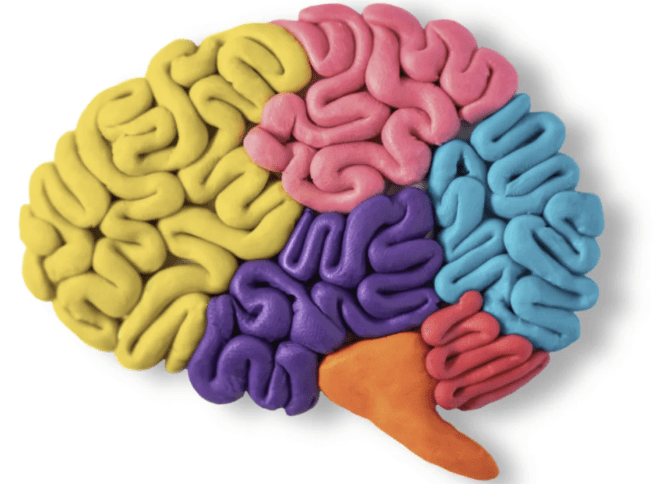
Recently, I read a New York Times article by Dana G. Smith detailed the detrimental effects of sensory loss on the aging brain, highlighting how individuals over 65 who experience vision loss have a nearly 50 percent increased risk of developing dementia. Hearing loss has also been identified as a key risk factor.
As the article mentions, the primary explanation behind this increased risk is that people with sensory loss have less stimuli in their brains. As a result, the brain, a muscle that loses functionality with decreased input, experiences increased atrophy. Research suggests that there may also be an anatomical connection between the lack of stimuli and cognitive decline, as the section of the brain that processes auditory input is also the region that is most profoundly affected by Alzheimer’s Disease.
Many seniors live in assisted living facilities because they lack mobility. Unable to independently go out and see friends and family, the sensory input they require to maintain regular cognitive function falters. Hence, they are increasingly susceptible to neural deterioration.
Interaction-based interventions – such as The Melody Project – bridge this key gap in senior care, bringing social interaction to assisted living residents so that they can continue receiving the sensory input necessary to help mitigate the decline associated with decreased sensory input.
Policy changes that would improve senior care and prevent premature onsets of dementia in the aging population could encompass:
- Educating older and younger generations about the crucial role sensory inputs play in maintaining robust cognitive health
- Requiring senior care programs to incorporate regular periods of socialization


 Brains for Change
Leave a comment