Recently, I came across an article in the Harvard Magazine by Max J. Krupnick titled “Do Mitochondria Hold the Power to Heal?” Krupnick highlights the work of Harvard associate professor of surgery James Donald McCully, who has pioneered “mitochondrial transplants”—a process that involves isolating mitochondria from healthy tissue and injecting them into malfunctioning organs.
In particular, McCully has leveraged this new mechanism to perform mitochondrial transplants on infants suffering from ischemia, a condition where blood flow to the heart temporarily stops during heart surgery. Out of 17, he saved 13.

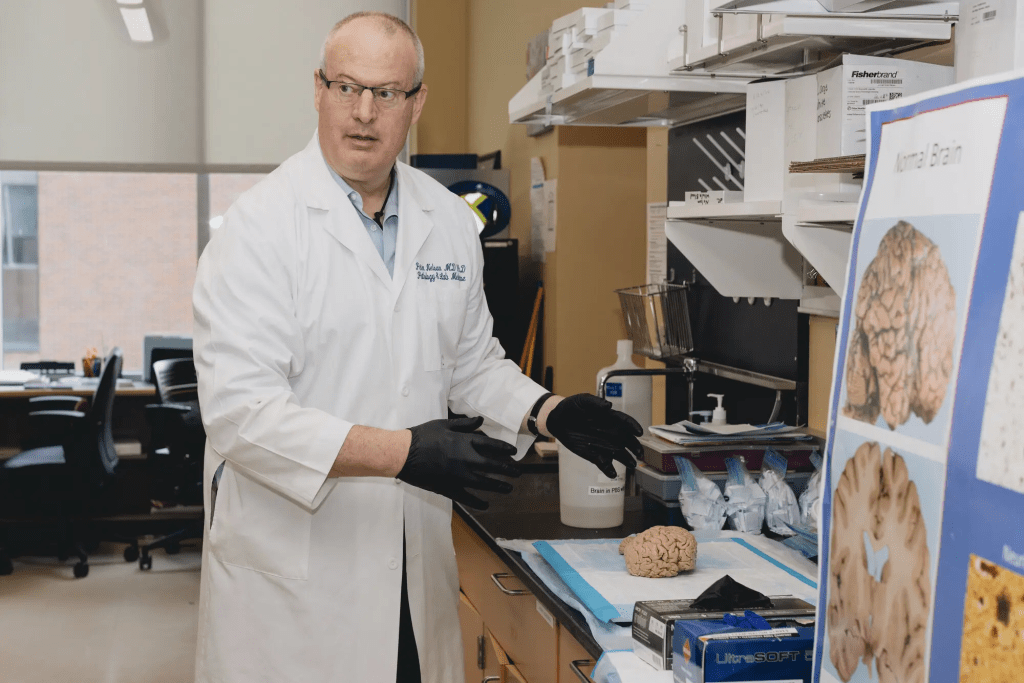
Image source: The Scientist
As Krupnick and McCully both suggest, current research focuses on how mitochondrial transplants could be used to treat spine and brain injuries. Moreover, they could be applied to neurodegenerative diseases, such as Alzheimer’s and Parkinson’s, as mitochondrial dysfunction—when a mitochondria become mutated or damaged and therefore malfunction, inhibiting energy production—is a key player in cognitive decline.
This article really intrigued with me, as its focus on the mitochondria and its often overlooked role in aging and neurodegeneration specifically resonated with the research I had done this summer focusing on a gene that inhibited the clearance of damaged mitochondria, leading the buildup of damaged mitochondria and reduced energy production in neurons.
Clearly, the mitochondrion is much more than the “powerhouse of the cell,” and new research has only just begun to discover the capacity to manipulate mitochondria to address some of the most prevalent and lethal health and cognitive crises humans face today.


 Brains for Change
Leave a comment