I recently read an article on Neuroscience News about a study in Volume 17, Issue 9 of Aging-US showing that older rats who lived in social groups stayed mentally sharp, while those who lived alone experienced significant memory decline. Even though all the rats had the same toys and exercise, only the ones with constant companionship maintained strong brain function.
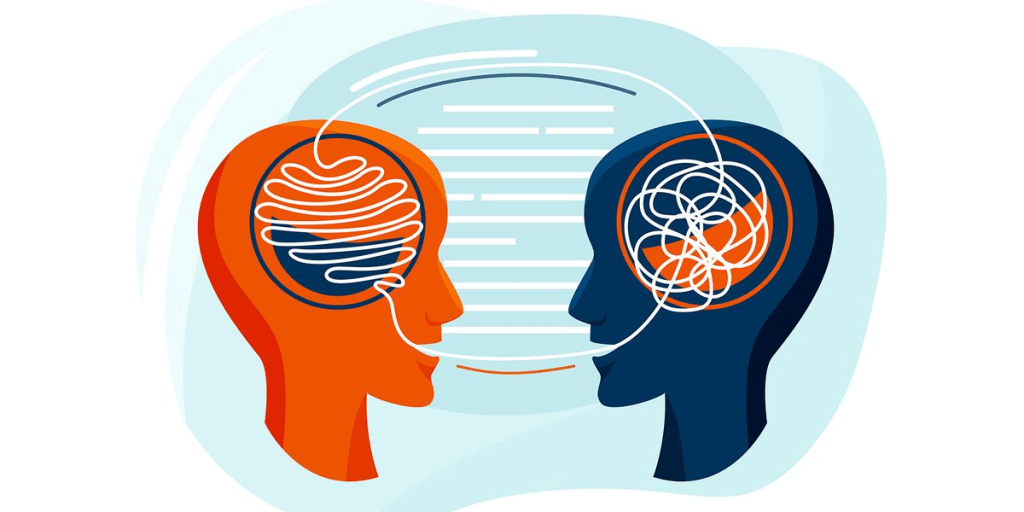
Image source: Drug Discovery News
Researchers found that socially housed rats performed as well as young rats on memory tasks, and their brains showed healthier activity patterns in key regions like the hippocampus. The takeaway? Social connection itself, not just mental stimulation or physical activity, appears to protect the aging brain.
This finding mirrors what many human studies already suggest: isolation and loneliness increase dementia risk, while social engagement can slow cognitive decline.
From a policy perspective, this research highlights the need to:
- Design senior housing and community spaces that encourage social interaction
- Fund programs that make social engagement a core part of healthy aging initiatives, such as The Melody Project
- Treat social connection as a measurable public health factor, not just a personal choice
Interaction-based initiatives like The Melody Project that bring a whole community together in the act of promoting human connection and social interaction are key in preserving the cognitive health of older adults. That’s why programs like these are so crucial to our communities and need to be supported.
If social bonds can keep even rats’ brains young, they’re likely doing something just as powerful for us. Investing in community and in one another may be one of the smartest aging policies we can make.
Read the article here: https://neurosciencenews.com/social-bonds-brain-aging-29794/

 Brains for Change
Leave a comment