Some weeks in health policy feel heavy. This one felt quietly joyful.
With the passage of the FY2026 federal budget, Congress approved meaningful investments in aging and brain health research through the National Institutes of Health—a reminder that progress doesn’t always arrive with fanfare, but it does arrive. NIH will receive $48.7 billion in total funding, a $400 million increase over last year, including $3.9 billion dedicated to Alzheimer’s disease and dementia research. Just as importantly, the final budget rejected proposed 40% cuts and protected indirect cost funding, safeguarding the research infrastructure that makes discovery possible in the first place.
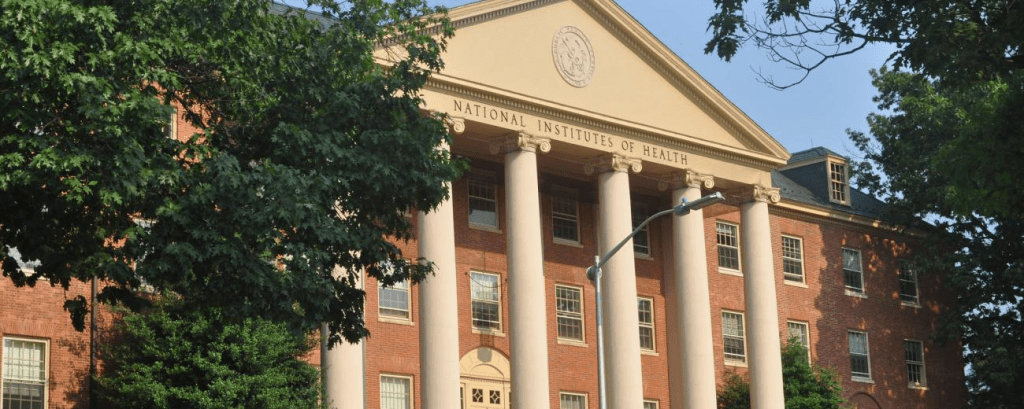
For aging researchers, the National Institute on Aging news is especially heartening. NIA will receive $4.518 billion—modest growth on paper, but a dramatic departure from earlier proposals that would have slashed its budget by more than 40%. Within that total is new funding for Alzheimer’s disease and related dementias, alongside additional investments across NIH institutes that support a coordinated, cross-disciplinary approach to brain health.
Beyond the numbers, the report language accompanying the bill tells an even richer story. Congress reaffirmed the importance of sustaining research project grants, maintaining fair success rates, and continuing to prioritize Alzheimer’s, dementia, women’s health, rare diseases, and brain health more broadly. It also explicitly rejected administrative changes that would have weakened research capacity nationwide.
Taken together, these decisions signal something worth celebrating: a bipartisan recognition that aging research is not niche or optional, but foundational to health, independence, and quality of life across the lifespan. They also underscore the real impact of advocacy. Science advances because people show up, speak up, and insist that the future of aging deserves investment.
This week felt like proof that those efforts matter.

 Brains for Change
Leave a comment