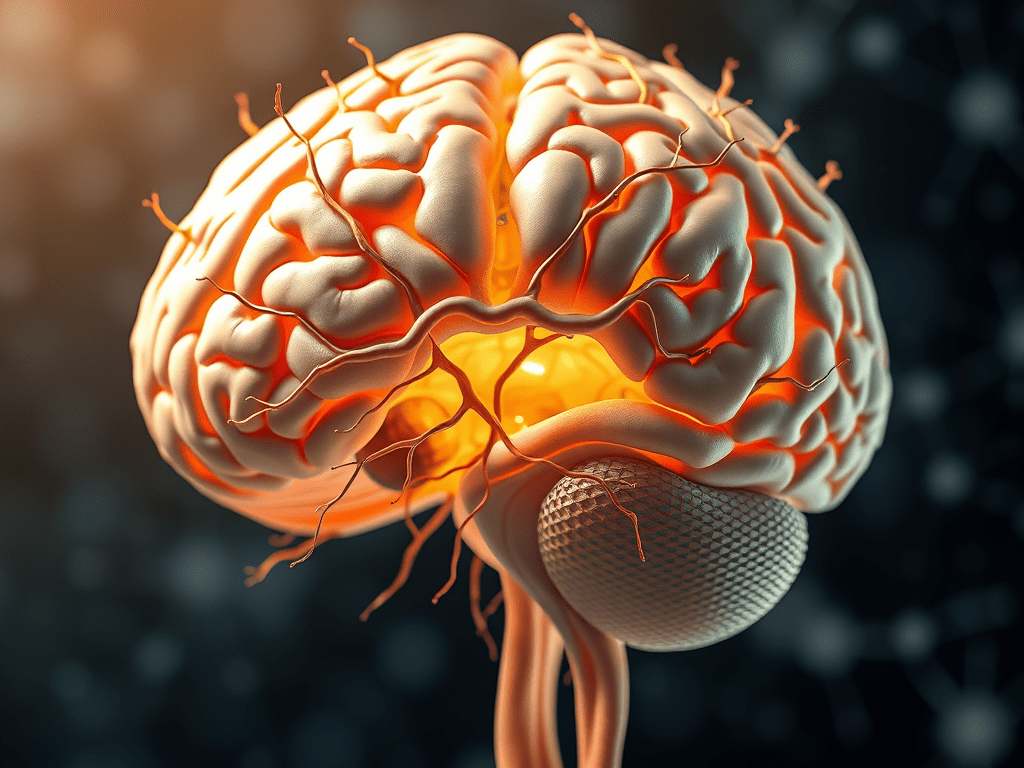
Today, I continued extending my knowledge of neuroscience and neurobiology through a Coursera program offered by the University of Chicago. I learned about the Central Nervous System (CNS) and the Peripheral Nervous System (PNS). The nervous system has three meningeal layers separating the PNS and CNS: the thin and tender pia; the arachnoid layer, which surrounds the spinal cord; and the dura, a tough membrane that prevents concussions. The PNS is more vulnerable than its counterpart, but it does have the capacity to repair itself. Botulinum toxins from spoiled food, for example, block the release of neurotransmitters that may cause temporary muscle paralysis in the PNS. Viruses such as polio enter the brain through a synapse, trespassing the meninges via a motor neuron’s axon. It then kills the motor neuron, causing the inability to control certain motions. Shingles gets transported through the sensory neurons and causes a skin rash at the end of the sensory neuron. Brain tumors, contrastingly, exist within the cranium. Because neurons are post-mitotic cells, they never divide and cannot become tumors; other cells in the brain can become tumors, however. Glial cells can form gliomas; meningeal cells can form meningiomas; and the pineal gland cells and the pituitary gland cells can become tumors. These cells metastasize, spreading and causing increased pressure. I also learned that these irregular tumor cells are altered by mutated DNA, a result of radiation or exposure to dangerous chemicals. Yet, so many people unknowingly surround themselves with chemical exposure that could risk the development of brain tumors. I concluded that the best policy options are as follows:
1. Increase federal and state funding for research on CNS and PNS disorders, particularly gliomas and meningiomas.
- Policy Analysis:
- Efficiency: High—More funding could accelerate scientific breakthroughs.
- Financial Feasibility: Moderate to high—depends on reallocation of government resources.
- Political Feasibility: Moderate—depends on bipartisan support and public advocacy.
2. Expand insurance coverage for early brain tumor screenings and advanced imaging techniques like MRI scans.
- Policy Analysis:
- Efficiency: High—Early detection leads to better outcomes.
- Financial Feasibility: Moderate—Pushback may come from insurance companies.
- Political Feasibility: Moderate—Pushback may come from insurance companies.
3. Implement stricter workplace safety regulations to minimize exposure to neurotoxic chemicals (e.g., pesticides, industrial solvents) linked to brain tumors.
- Policy Analysis:
- Efficiency: Moderate—helps reduce risk but may not prevent all cases.
- Financial Feasibility: Moderate—Industries may resist compliance costs.
- Political Feasibility: Low to moderate—industries may lobby against regulations.



 Brains for Change
Leave a reply to Georgia Spector Cancel reply